


Debunking The Top Vibrator Myths: Separating Facts From Fiction
Learn about common vibrator myths and dive deep into their rich history. Discover how to choose the perfect one for you by learning how to choose wisely to be an empowered consumer.
What You Think You Know May Be Wrong
Vibrators have been buzzing their way into our lives for a long time—but their real history is often misunderstood. No, they were not created to treat “female hysteria,” despite what movies or rumors suggest. With so many myths floating around, it’s easy to feel confused about what’s true.
Ready to dive into a fun, eye-opening journey? Let’s explore the surprising history of vibrators and answer the most common questions people have about them.
Sex Toy Material Myths
Before we get into the history, let’s clear up one of the biggest myths online—sex toy materials. As someone who has studied and worked with sex toys for over two decades, I can confidently say: there is a LOT of misinformation out there.
Many bloggers repeat incorrect “facts,” causing myths to spread as if they are common knowledge. A big one is the belief that only medical-grade silicone is safe. In reality, sex toys rarely use medical-grade silicone—because it’s intended for surgical implants, not pleasure products. That doesn’t mean the silicone used in sex toys is unsafe.
Most self-appointed experts don’t consult chemists or manufacturers, which leads to misleading information. The truth is:
- Medical grade is NOT a type of silicone.
- It simply means the silicone was tested for medical purposes.
- Sex toys don’t require medical-grade testing because they aren’t implanted in the body.
What truly matters is how the silicone is cured. For the safest and purest toys, look for:
- Platinum-cured silicone
- Post-baked peroxide-cured silicone
The Importance Of Ingredients & Curing Method
Think of silicone quality like baking a loaf of bread. You wouldn’t judge the bread based on whether it meets surgical standards—you’d care about:
- The ingredients
- The baking method
- The overall quality
In the same way, what determines silicone purity is the curing method and the materials used—not whether it’s “medical grade.” If you want deeper insight, check out our Body Safe Sex Toy Guide or our Silicone Sex Toys: Is Yours Real & Safe? guide.
A Brief History Of The Vibrator
Vibrators originally entered the world as medical devices in the 1900s. The first electric vibrator was invented by British physician Joseph Mortimer Granville—not for sexual purposes, but to treat pain, sore muscles, spinal issues, erectile dysfunction, and even deafness.
For ED treatment, the device was applied to a man's perineum to stimulate an erection.
Where Did The Hysteria Vibrator Myth Come From?
The popular myth comes from Rachel Maines’s 1999 book “Technology of Orgasm,” where she claimed doctors manually stimulated women to treat hysteria and invented vibrators to reduce hand strain.
While entertaining, this story is false. Doctors never used vibrators to treat women sexually. Movies like the 2011 film “Hysteria” made the story more popular, but it remains a myth.
How Vibrators Were Originally Marketed
In the early 1900s, vibrators were widely marketed to the public as wellness tools. Advertisements claimed they could cure everything from wrinkles to tuberculosis.
During the 1920s, vibrator ads appeared in more risqué magazines, shifting public perception from “medical device” to “taboo object.” This caused society to view vibrators as sexual rather than therapeutic.
The First Vibrator
Hamilton Beach patented the first electric vibrator in 1902, and it was heavily advertised in household magazines like Sears & Roebuck, Modern Priscilla, and Needlecraft.
The Rise of Modern Sex Toys
The 1980s marked the rise of modern pleasure toys, especially those marketed toward women. By the 2000s, the industry began focusing more on luxury materials, safer designs, and beautiful aesthetics.
The Introduction Of Silicone
Silicone sex toys didn’t arrive until 1971 when Gosnell Duncan, a disabled Caribbean immigrant, realized the industry lacked body-safe options. Partnering with a GE chemist, he created the first silicone dildos under Paramount Therapeutic Products. Duncan’s contribution remains an important—and often overlooked—moment in sex toy history.
Benefits Of Vibrators
Vibrators offer far more than just pleasure. They can:
- Increase blood flow
- Ease stress
- Support sexual dysfunction treatment
- Improve arousal
- Help individuals with disabilities access pleasure
Addressing Disabilities & Dysfunction
For many people struggling with sexual dysfunction or mobility challenges, vibrators are essential tools—not luxuries. They help increase genital blood flow, which may improve sexual response and orgasm.
Erectile Dysfunction Assistance
Vibrators can help people with penises ejaculate when mobility or health challenges make traditional stimulation difficult. This can even support conception in certain situations.
Help Achieving Orgasm
A 1999 study from the Journal of the American Medical Association revealed that 25% of women struggle to orgasm. But the NIH found that women who used vibrators reported:
- Better sexual functioning
- Higher arousal
- Easier orgasms
- More frequent orgasms
- Higher libido
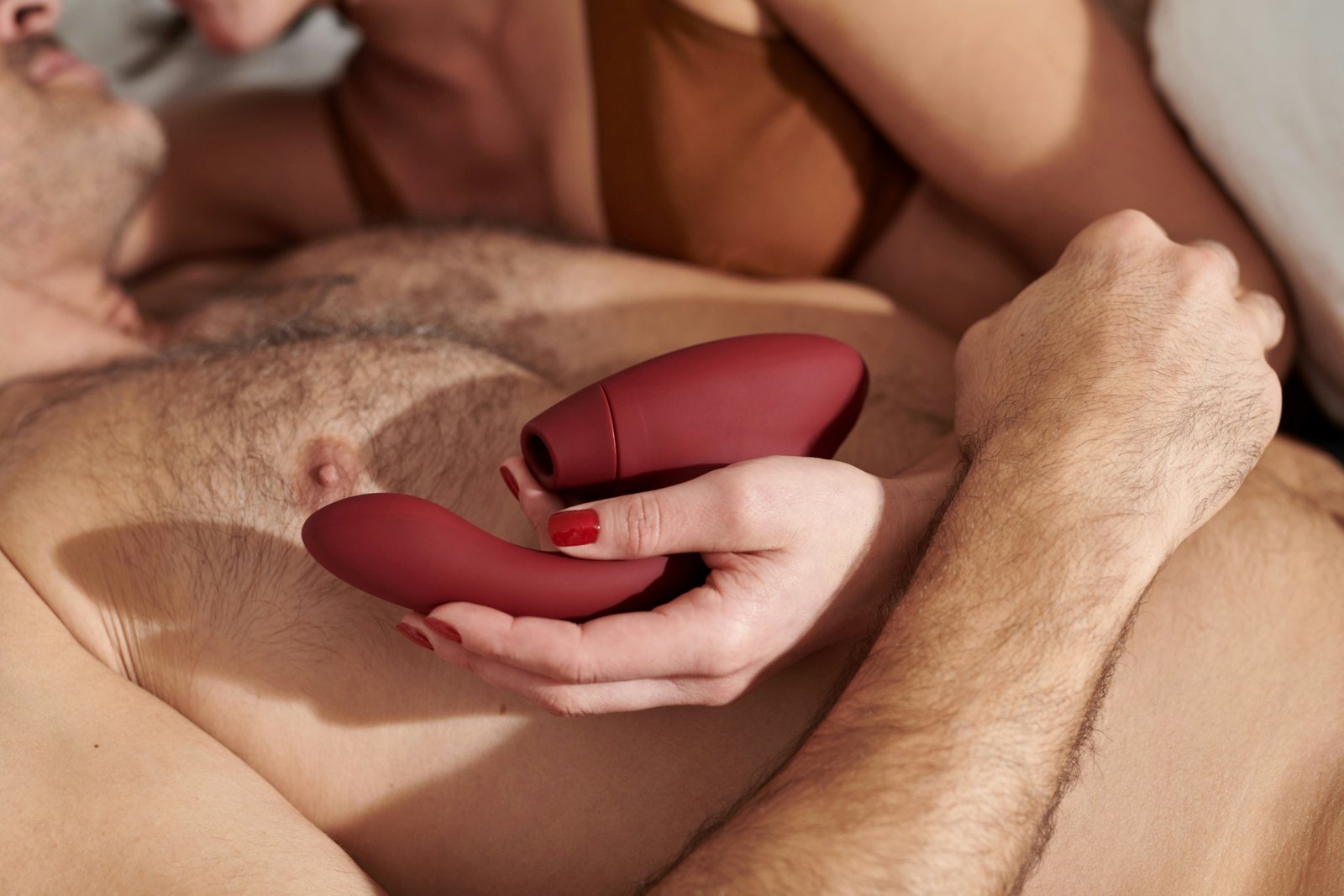
Vibrators & Couples
Vibrators aren’t just for solo play. Over 60% of couples use them during sex. A 2009 study from the University of Indiana found married women were more likely to use vibrators (50%) than single women (29%).
Vibrator Key Statistics
- 81% of women regret waiting so long to buy their first vibrator.
- Vibrators are the most popular sex toy worldwide.
- 95% of vibrator users say it helps them orgasm every time.
- 25% of American women use their vibrator multiple times a week.
- 76.6 million Americans own a vibrator.
- Many heterosexual men enjoy vibrators because it increases their partner’s pleasure.
Vibrator Ownership by Marital Status
- Married women: 50.9%
- Single women: 25.4%
Men & Vibrator Use
- 31.4% use vibrators because a partner introduced them.
- 6.8% use vibrators for their own orgasm.
Vibrator Usage By Ethnicity
- White: 70.6%
- Black: 11.1%
- Hispanic: 13.4%
- Other: 4.9%
Vibrator Users By Age
- 18-24 years: 14.7%
- 25-34 years: 21.5%
- 35-44 years: 26.4%
- 45-54 years: 23%
- 55-60 years: 14.4%
Vibrator Use In 2023
- Males: 54% own a vibrator
- Females: 69% own a vibrator
- COVID increased vibrator usage significantly
- Many couples became kinkier during lockdown
- Monthly vibrator sales in the U.S.: 900k–1.5M
And that’s the exciting part—vibrator use continues to rise, and studies show that using them with a partner strengthens intimacy, pleasure, and connection. So why not add some buzz to your bedroom?